Does My Dog Need a Dental?
By Dr Joe Inglis BVSc MRCVS ·
Your dog probably needs a dental if they have visible tartar, red or bleeding gums, persistent bad breath, or broken, loose or sore teeth. Many dogs need one even without obvious signs, because most dental disease is hidden below the gumline and dogs are very good at hiding mouth pain. The only way to know for sure is a dental check by a vet. This guide explains the signs to look for, what a dental involves, and what to expect on the day.
What is a dog dental?
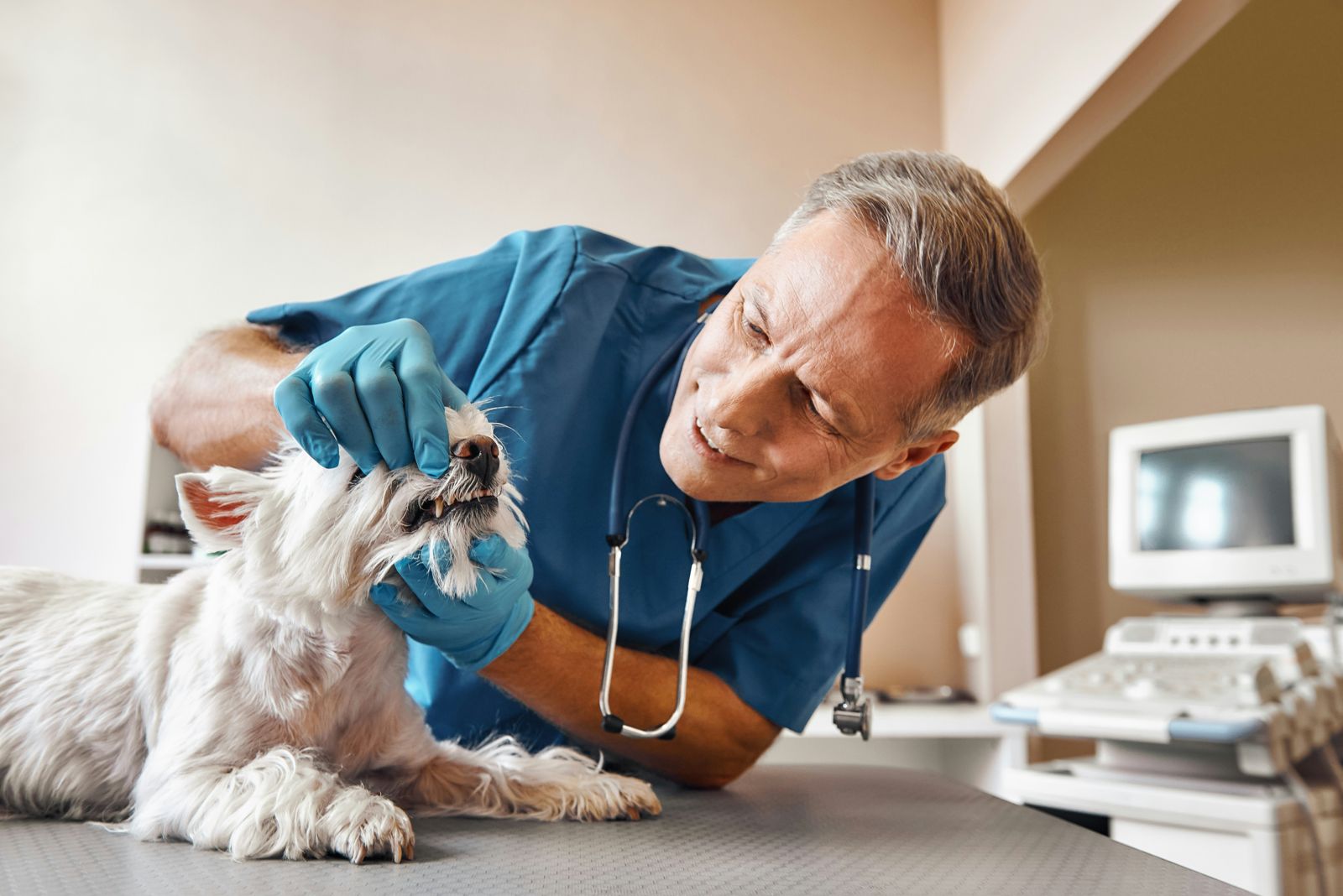
A "dental" is a dental procedure carried out under general anaesthetic to assess and treat your dog's teeth and gums. It's sometimes called a scale and polish (at Luna we offer two dental packages – the Luna Protect & Shine and Luna Fix & Shine), but a good dental is much more than a clean. It usually includes:
- A full examination of every tooth, including probing around each one
- Full-mouth dental X-rays to check the roots and bone below the gumline
- Scaling above and below the gumline to remove plaque and tartar
- Polishing to smooth the teeth
- Treatment of any problems found, such as extracting painful or infected teeth
- Pain relief and aftercare
Think of a dental as a health treatment, not a cosmetic one. Its purpose is to find and treat pain and infection, most of which can't be seen from the outside.
Signs your dog may need a dental
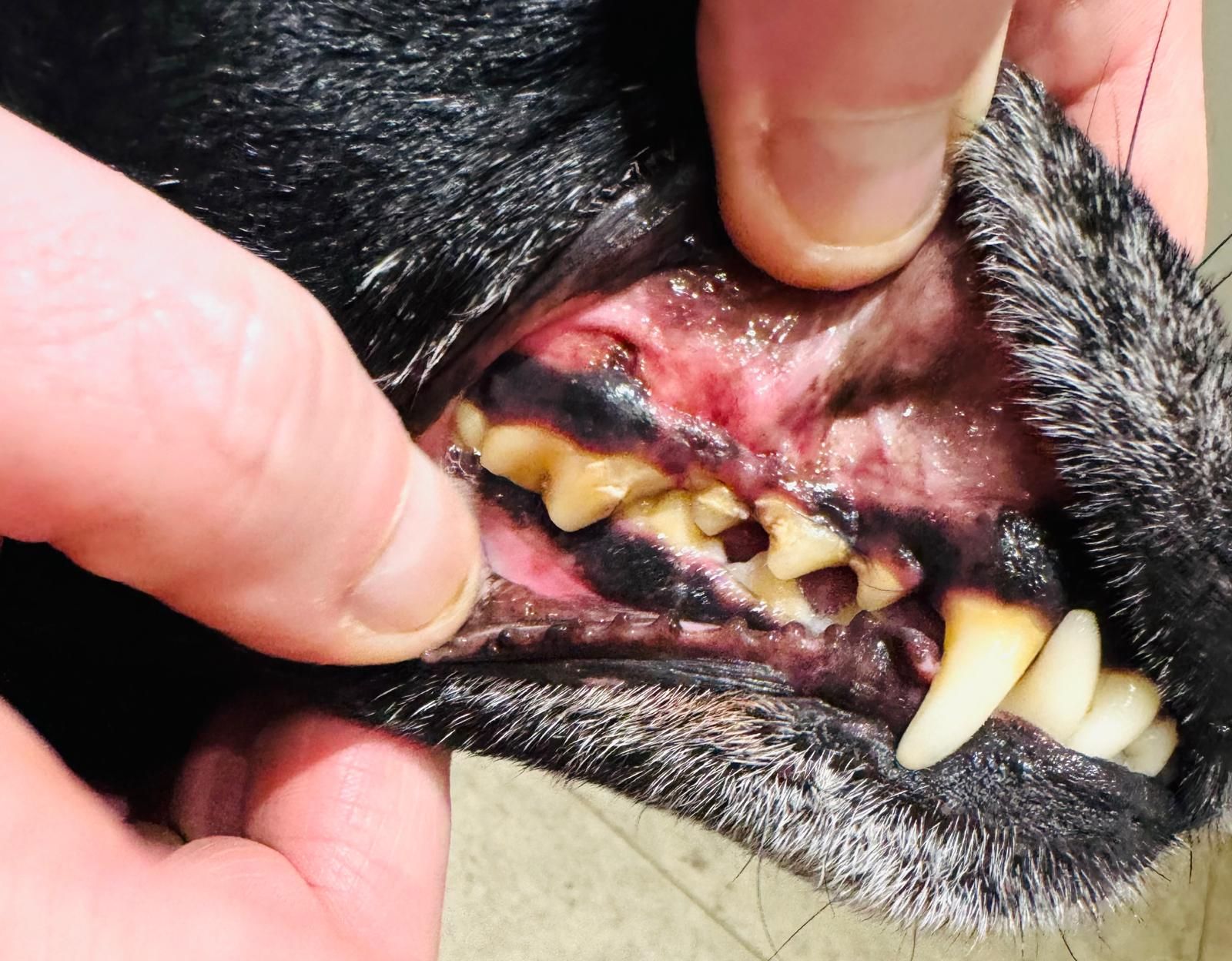
Lift your dog's lips and look at their teeth and gums, especially the back teeth. Your dog may need a dental if you notice any of the following.
In the mouth
- Tartar, a yellow or brown crust on the teeth
- A red line along the gumline, or red, swollen gums
- Bleeding gums, or blood on toys
- Receding gums or exposed roots
- Broken, worn or discoloured teeth
- Loose or missing teeth
- Lumps or growths on the gums
- Retained baby teeth in a dog over 6 months old
In your dog's behaviour
- Persistent bad breath
- Chewing on one side, dropping food or eating more slowly
- Avoiding hard food, treats or chews
- Pawing at the mouth or rubbing their face on the floor
- Drooling
- Being quieter, grumpier or head-shy
- Swelling on the face, especially below the eye
For a more detailed examination of your dog’s dental health, at Luna, we offer free in-person dental health assessments in our clinics, as well as our AI dental triage service online where our expert dental AI agent Bella can review photos of your dog’s teeth and make recommendations for dental bookings.
Can a dog need a dental without showing signs?
Yes, and it's very common. There are two reasons.
Most dental disease is hidden. Around two thirds of each tooth sits below the gumline. Periodontal disease, root abscesses and fractured roots can all be present while the visible part of the tooth looks fairly normal.
Dogs hide pain. Most dogs keep eating even with painful teeth, because hunger is a strong drive. They adapt by chewing on one side or swallowing food whole, and these changes are easy to miss. Owners often only realise their dog was in pain after treatment, when their dog becomes brighter and more playful.
Periodontal disease is the most commonly diagnosed health problem in UK dogs, affecting about 1 in 8 dogs seen by vets each year (RVC VetCompass). The true number is likely to be higher, because many cases are never spotted. This is why regular dental checks matter, even for dogs who seem fine.
How often do dogs need a dental?
There's no fixed schedule, as every dog is different. How often your dog needs a dental depends on:
- Breed and size. Small and toy breeds often need dentals more frequently, sometimes every year. Greyhounds, King Charles Spaniels, Toy Poodles, Cavaliers, Yorkshire Terriers and Border Terriers are among the breeds most affected by gum disease.
- Age. Disease builds up over time, so older dogs usually need more frequent care.
- Home care. Dogs whose teeth are brushed daily typically need professional treatment much less often.
- Previous dental disease. Dogs who have already had periodontal disease need closer monitoring.
As a guide, every dog should have a dental check at least once a year, and many benefit from a check every 6 months. Your vet will then recommend when a dental procedure is needed, based on what they see.
What happens at a dental check?
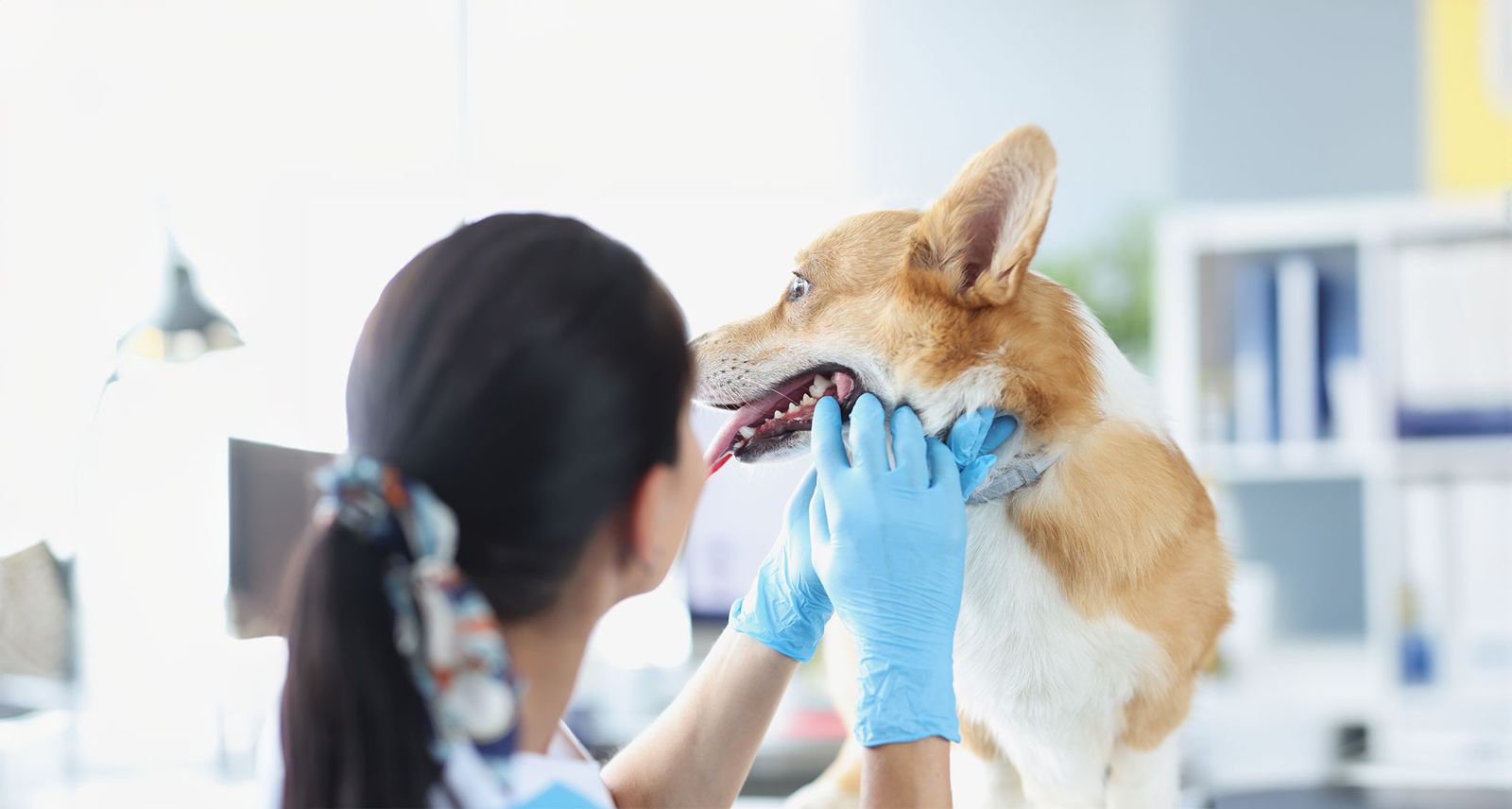
A dental assessment is an appointment with a Luna dental nurse and includes:
- A chat about your dog's history, including any changes in eating, behaviour or breath
- A general health check, as your dog's overall health affects anaesthetic planning
- A look inside the mouth, checking the teeth, gums, tongue and palate for tartar, gum disease, broken teeth, swellings and growths
- Dental photography to help demonstrate and identify specific areas of concern
- An explanation of what we find, and whether a dental procedure is recommended
- A treatment plan, including what the procedure is likely to involve
A conscious check can only show what's visible above the gumline. It helps decide whether a dental is needed, but the full picture only becomes clear under anaesthetic, with probing and X-rays. Your vet will explain this, and talk you through the possibility that more treatment may be needed once everything can be seen.
What happens on the day of a dental?
Most dogs go home the same day. A typical day looks like this:
- The night before. You'll usually be asked not to feed your dog from the evening before, though water is normally fine. Follow your vet's specific instructions.
- Admission. You drop your dog off in the morning. The team checks your dog over, confirms the plan with you and makes sure they have your contact number.
- Pre-anaesthetic checks. Your dog is examined again, and blood tests may be done if needed, particularly for older dogs.
- Anaesthetic. Your dog is given a sedative premedication and pain relief, then put under general anaesthetic. A tube is placed in the windpipe to protect the airway, and breathing, heart rate, blood pressure, oxygen levels and temperature are monitored throughout.
- The procedure. Every tooth is examined, probed, X-rayed and charted, then cleaned above and below the gumline and polished. Any diseased teeth are treated. If the findings are very different from what was expected, the vet may phone you to discuss the plan.
- Recovery. Your dog wakes up in a warm, quiet area and is monitored closely until they are ready to go home.
- Discharge. You'll get a clear explanation of what was found and treated, pain relief to take home, and aftercare instructions.
Is a dental anaesthetic safe?
Worrying about anaesthesia is completely natural, and it's one of the most common reasons owners put off a dental. Modern veterinary anaesthesia is very safe, and the risk of serious complications for healthy dogs is very low.
Risk is kept as low as possible by:
- Pre-anaesthetic checks, including a health examination and blood tests where needed
- A tailored anaesthetic plan, based on your dog's age, breed, size and health
- Protecting the airway with a tube, so water and debris can't be inhaled
- Continuous monitoring of heart rate, breathing, blood pressure, oxygen and temperature
- Keeping your dog warm and supported with fluids where needed
- Careful recovery, with your dog monitored until fully awake
What about older dogs? Age isn't a disease. Many older dogs have anaesthetics safely, especially when health problems are identified and managed beforehand. Older dogs are also the most likely to have painful dental disease. For most, the risks of leaving infected, painful teeth untreated are greater than the risks of a carefully managed anaesthetic.
If you're concerned, talk it through with your vet. They can explain the specific risks for your dog and the steps they'll take to manage them.
Why can't my dog have a dental without anaesthetic?
Some services offer "anaesthetic-free" dental cleaning on awake dogs. Veterinary dental specialists advise against it, because:
- It only cleans the visible surfaces. It can't clean below the gumline, where dental disease actually happens.
- It can't diagnose disease. Without X-rays and probing, hidden problems such as bone loss, abscesses and fractured roots are missed.
- It can't treat what's found. Painful or infected teeth can't be removed.
- It can be painful and stressful for your dog, and risks injury from sharp instruments.
- It gives false reassurance. Teeth can look clean while serious disease continues underneath.
A dental under general anaesthetic is the only way to examine, clean and treat your dog's mouth properly and painlessly.
What happens if I don't treat my dog's teeth?
Dental disease doesn't get better on its own. Without treatment, it usually progresses, and can lead to:
- Ongoing pain, which dogs often suffer in silence
- Infection and abscesses, sometimes causing facial swelling
- Loss of the bone and ligament that hold the teeth in place, which can't be regained
- Loose and lost teeth
- Jaw fractures in small breeds, where disease can weaken the lower jaw
- Holes between the mouth and nose (oronasal fistulas), causing sneezing and nasal discharge
- Wider health effects, as periodontal disease has been linked with changes in organs such as the kidneys, heart and liver (RVC VetCompass)
Treating dental disease early is usually simpler and quicker, and means more teeth can be saved. Delaying often means more extractions, a longer anaesthetic and a longer recovery.
Recovery and keeping teeth healthy afterwards

Most dogs recover quickly from a dental. On the evening of the procedure your dog may be a little sleepy, and a small, soft meal is usually recommended. Most are back to normal within a day or two.
If your dog has had extractions, you'll usually be advised to:
- Feed soft food for a short period while the gums heal
- Avoid chews and hard toys until your vet says it's OK
- Give pain relief exactly as prescribed
- Attend a post-operative check so healing can be assessed
After a dental, your dog's mouth is clean, which makes it the perfect time to start good home care:
- Brush daily with a soft brush and dog toothpaste, once your vet says the gums have healed
- Use evidence-based dental products, such as Luna Plaque Protect dental supplement
- Book regular dental checks, every 6 to 12 months
Good home care slows the return of plaque and tartar, and can greatly reduce how often your dog needs a dental in future.
How Luna can help
Luna the Dental Vets is a UK veterinary practice group dedicated entirely to dentistry for dogs and cats. If you're not sure whether your dog needs a dental, an online dental health check with Bella followed by a free in-person dental health assessment appointment is the best place to start.
When your dog visits Luna, you can expect:
- A dental health assessment to assess your dog's mouth and give you a clear recommendation
- Full-mouth dental X-rays as standard with every dental procedure
- Detailed charting of every tooth, so you know exactly what was found and treated
- Careful anaesthesia and monitoring, with pain relief tailored to your dog
- Clear communication, before, during and after the procedure
- Practical aftercare and home-care advice
- Bespoke care packages through the Luna Dental Health Club
We have clinics in Bristol, Reading and Eastleigh, with Surbiton opening soon, and we welcome both direct bookings from owners and referrals from your regular vet.