The 5 Dog Breeds With the Worst Teeth… Is Your Dog One of Them? (Periodontal Disease)
By Dr Joe Inglis BVSc MRCVS ·
Discover the 5 dog breeds most prone to dental disease, according to UK veterinary research, and learn why they're at greater risk, what signs to watch for and how to protect your dog's teeth.
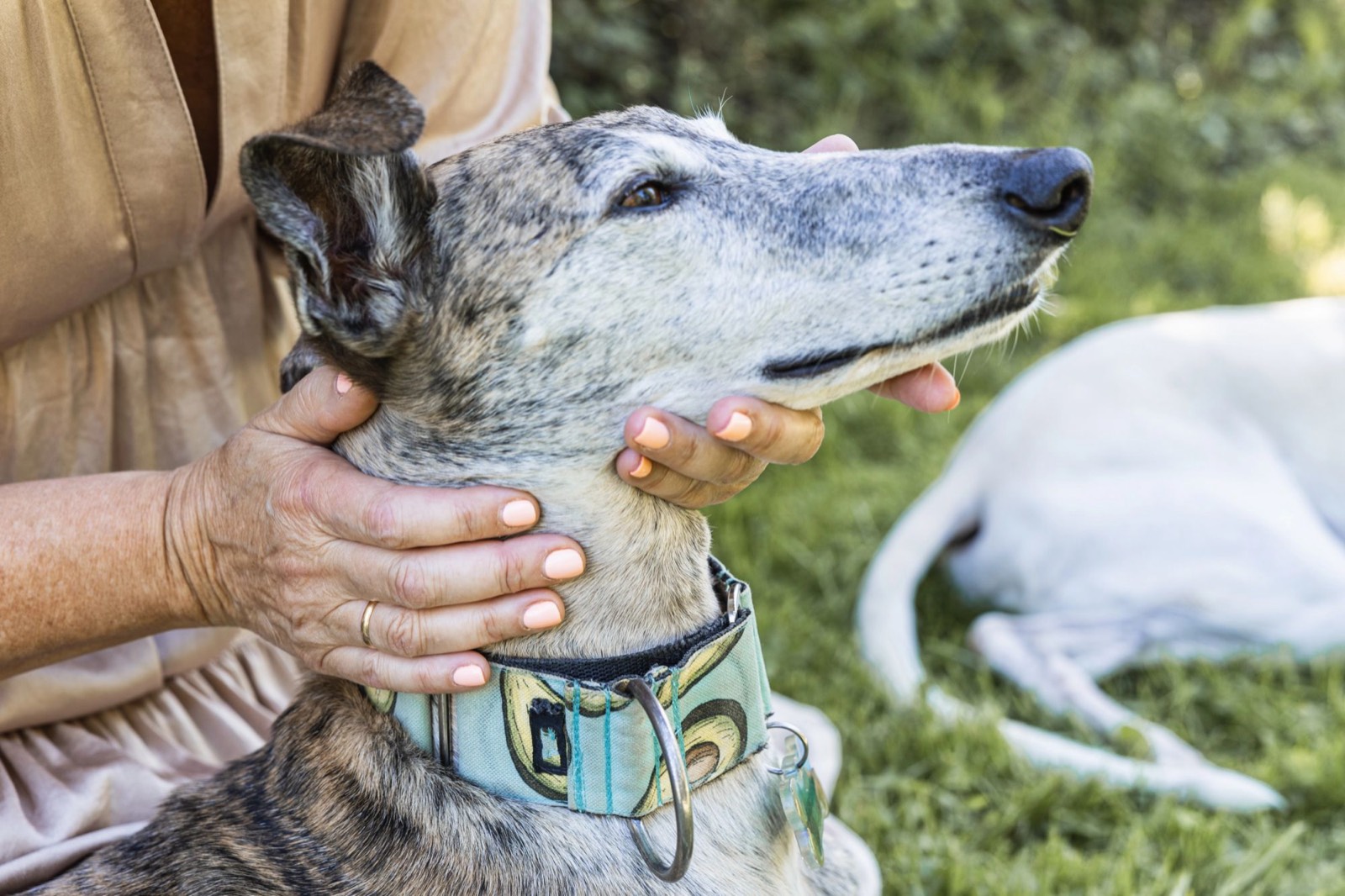
We see so many dogs coming through our doors at Luna, big and small and everything in between, all needing dental care. What we’ve quickly noticed is that some breeds seem to visit us more than others. So we decided to take a closer look at the UK veterinary research to find out which breeds are most prone to dental disease and compare the findings with what we’re seeing in our own clinics.
The Royal Veterinary College (RVC) released a major study in 2021 by looking at 22,000 vet records. They found that 1 in 8 dogs had been diagnosed with periodontal disease (commonly known as gum disease) during a single year (RVC VetCompass).
What was even more interesting was that certain breeds were more prone to dental disease than others. As the UK’s first dedicated veterinary dental clinic, we’re seeing some interesting trends in our own clinics, too. Read on to find out what we’re discovering.
Which 5 Dog Breeds Have the Worst Teeth by Gum Disease?
Below are the five dog breeds with the highest rates of gum disease in the study.
| Dog Breed | Dogs with Gum Disease |
|---|---|
| Greyhound | 32% |
| King Charles Spaniel | 30% |
| Toy Poodle | 26% |
| Cavalier King Charles Spaniel | 25% |
| Yorkshire Terrier | 22% |
Based on UK veterinary research. For example, 32% means approximately 32 out of every 100 dogs of that breed in the study had gum disease recorded by their vet.
Is your dog’s breed on the list? Don't wait for signs of dental disease. Book your free dental health check with Luna today.
What Are We Seeing at Luna Dental Clinics?
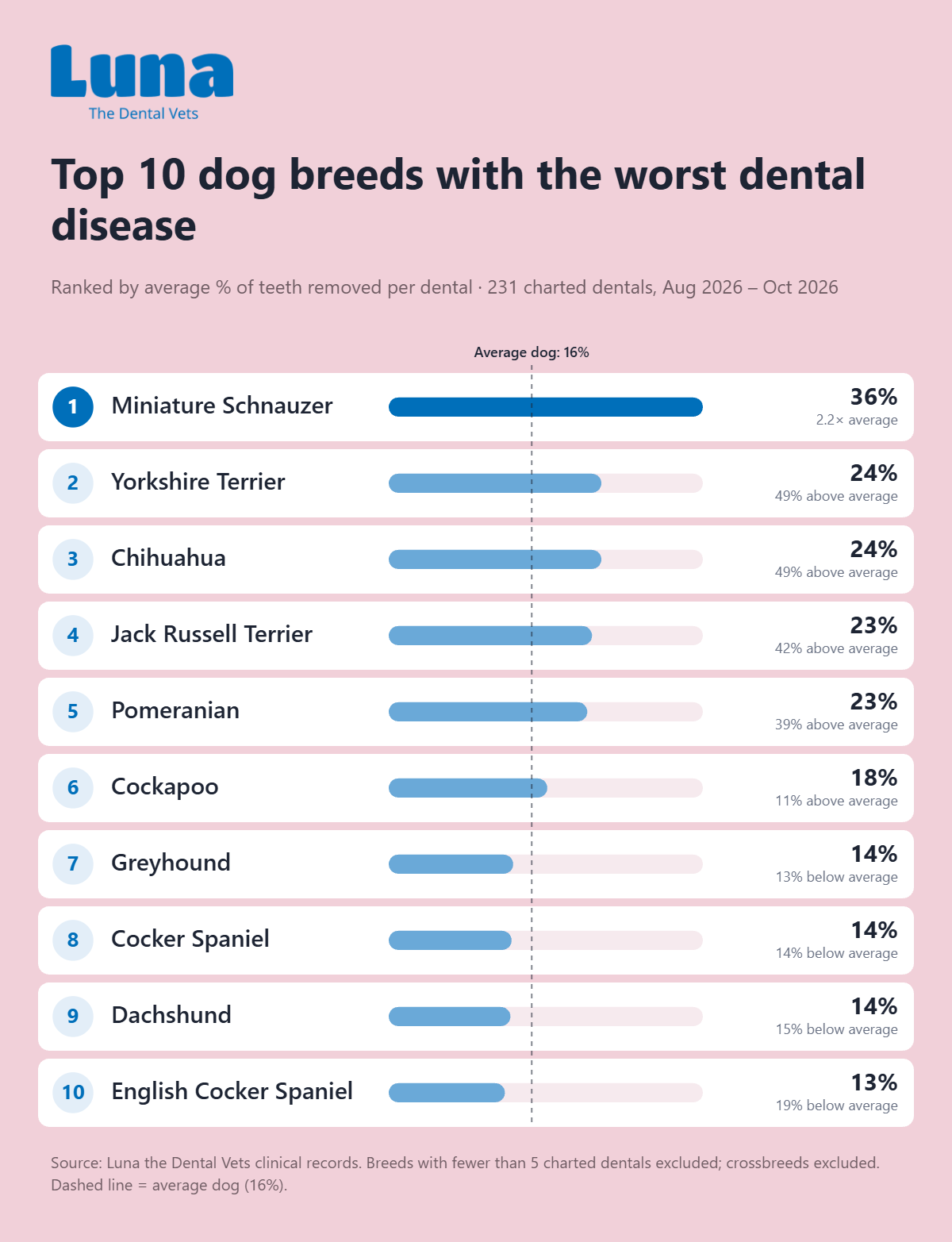
Our own dental records at Luna reveal some interesting trends, too.
Miniature Schnauzers have stood out for the number of teeth requiring extractions, with Yorkshire Terriers, Chihuahuas, Jack Russell Terriers and Pomeranians all in the top 5 at our clinics.
While our findings are from dogs receiving dental treatment at our clinics rather than the larger UK dog population, they offer more data on the dental problems we're seeing in different breeds.
What is interesting is that Mini Schnauzers didn't even make the RVC's top five but have stood out in our clinics.
Now let’s take a closer look at each breed.
1. Greyhound: Yes, Really, the Number One Breed
32% diagnosed with periodontal disease
This might be surprising to dog parents, as we normally think small dogs have more dental issues. But the study found that Greyhounds had the highest recorded percentage of periodontal disease among the breeds.
What should Greyhound owners know?
Pay particular attention to persistent bad breath, yellow or brown tartar and inflamed gums.
One thing we always want dog parents to understand at Luna is that a dog who happily finishes their dinner can still have painful dental disease.
2. King Charles Spaniel: Small Mouth = Dental Issues
30% diagnosed with periodontal disease
The King Charles Spaniel is often referred to as one of the friendliest breeds, but its compact jaw and shorter muzzle can create challenges for dental health.
Crowded or overlapping teeth can make it easier for plaque to accumulate in places that are difficult to clean. Over time, plaque can lead to gum inflammation and periodontal disease.
What should owners watch for?
Look closely at the back teeth, where tartar can accumulate unnoticed.
A quick note: You’ll notice there are two spaniel breeds on this list: King Charles Spaniel & Cavalier King Charles Spaniel. They are in fact two distinct breeds recognised by The Royal Kennel Club. King Charles Spaniels are smaller with flatter faces and shorter noses, while Cavaliers are slightly larger with longer muzzles.
3. Toy Poodle: Tiny Teeth, Big Problems
26% diagnosed with periodontal disease
Toy Poodles may be small, but their dental care needs are anything but.
The RVC research found that Toy Poodles had almost four times the adjusted odds of periodontal disease when compared with the mixed breed group.
In fact, Toy Poodles had the highest risk of gum disease of any breed in the study, after accounting for factors such as age.
A tiny Toy Poodle can have the same number of teeth as a Great Dane. But with a much smaller jaw, those teeth can become crowded together, making it easier for plaque to build up and harder to keep their teeth clean.
What should Toy Poodle owners do?
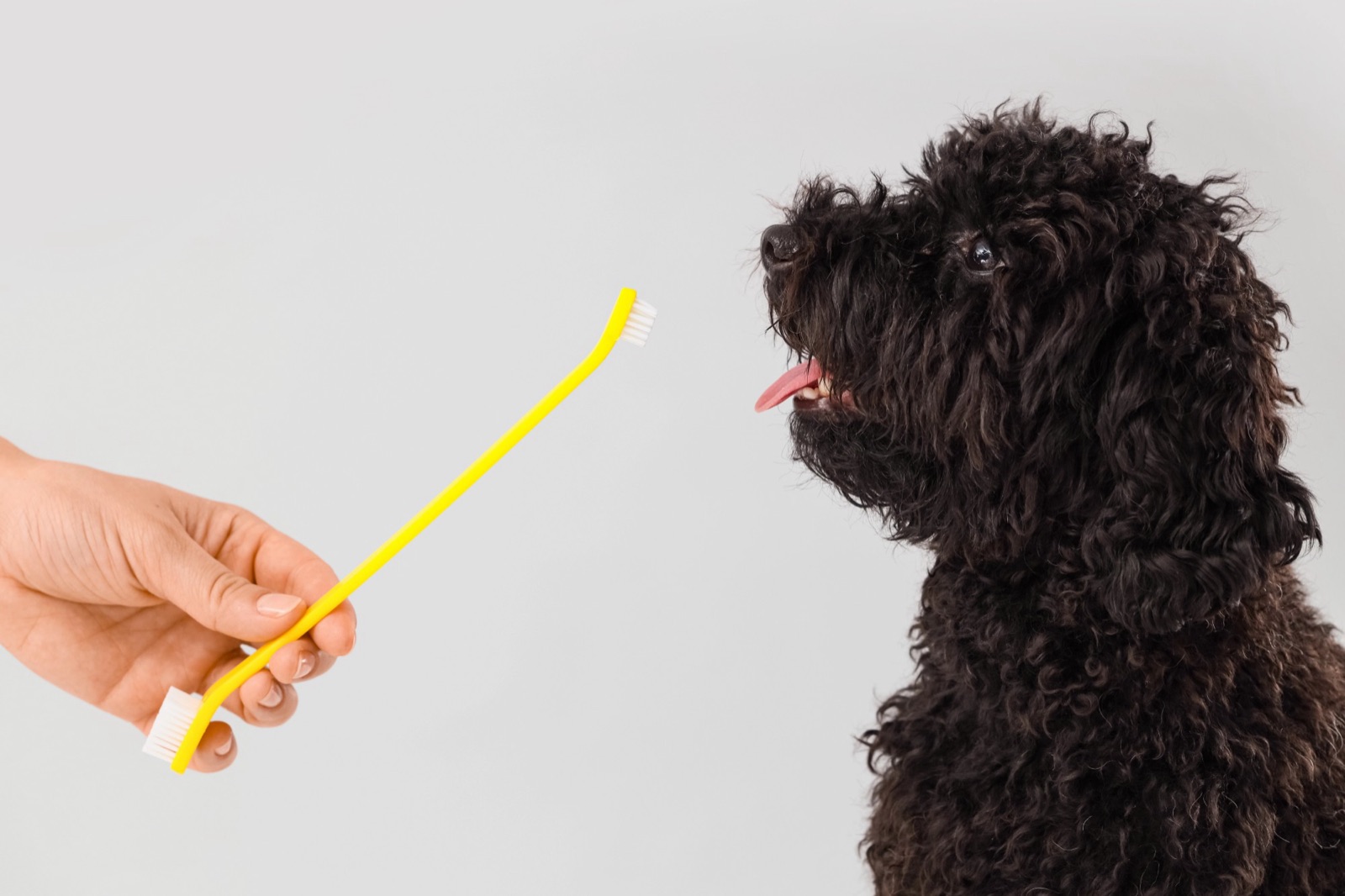
Make tooth brushing part of your daily routine and arrange regular veterinary dental checks. Early prevention is especially important for breeds with an increased risk of dental disease.
4. Cavalier King Charles Spaniel: A Beautiful Smile That Needs Attention
25% diagnosed with periodontal disease
You might think Cavaliers would have fewer dental problems than their smaller, flatter-faced cousins, the King Charles Spaniel. After all, they have longer noses.
But both breeds made the top five.
And here's something dog parents might not realise: dogs can be surprisingly good at hiding dental pain. Your Cavalier might still appear perfectly happy, even with a painful tooth.
Our advice: Don't wait until your Cavalier develops noticeably bad breath or stops enjoying their food. Regular dental cleanings can help prevent serious dental problems in the future.
5. Yorkshire Terrier: Why Puppy Teeth Can Cause Problems
22% diagnosed with periodontal disease
Yorkshire Terriers might have big personalities, but their little mouths can be vulnerable to dental problems.
One common issue is retained puppy teeth. Normally, a puppy's baby teeth fall out as their adult teeth grow in. But in some small dogs, those baby teeth stubbornly stay.
This means an adult tooth can grow right beside a baby tooth, leaving two teeth crowded into a space meant for one.
A 2023 veterinary study of 61 Yorkshire Terrier puppies found that 69% had retained baby teeth.
We're seeing significant dental problems in some Yorkshire Terriers at Luna, too. In our recent clinical review, an average of 10 teeth were removed per dental procedure for this breed.
What should Yorkie owners know?
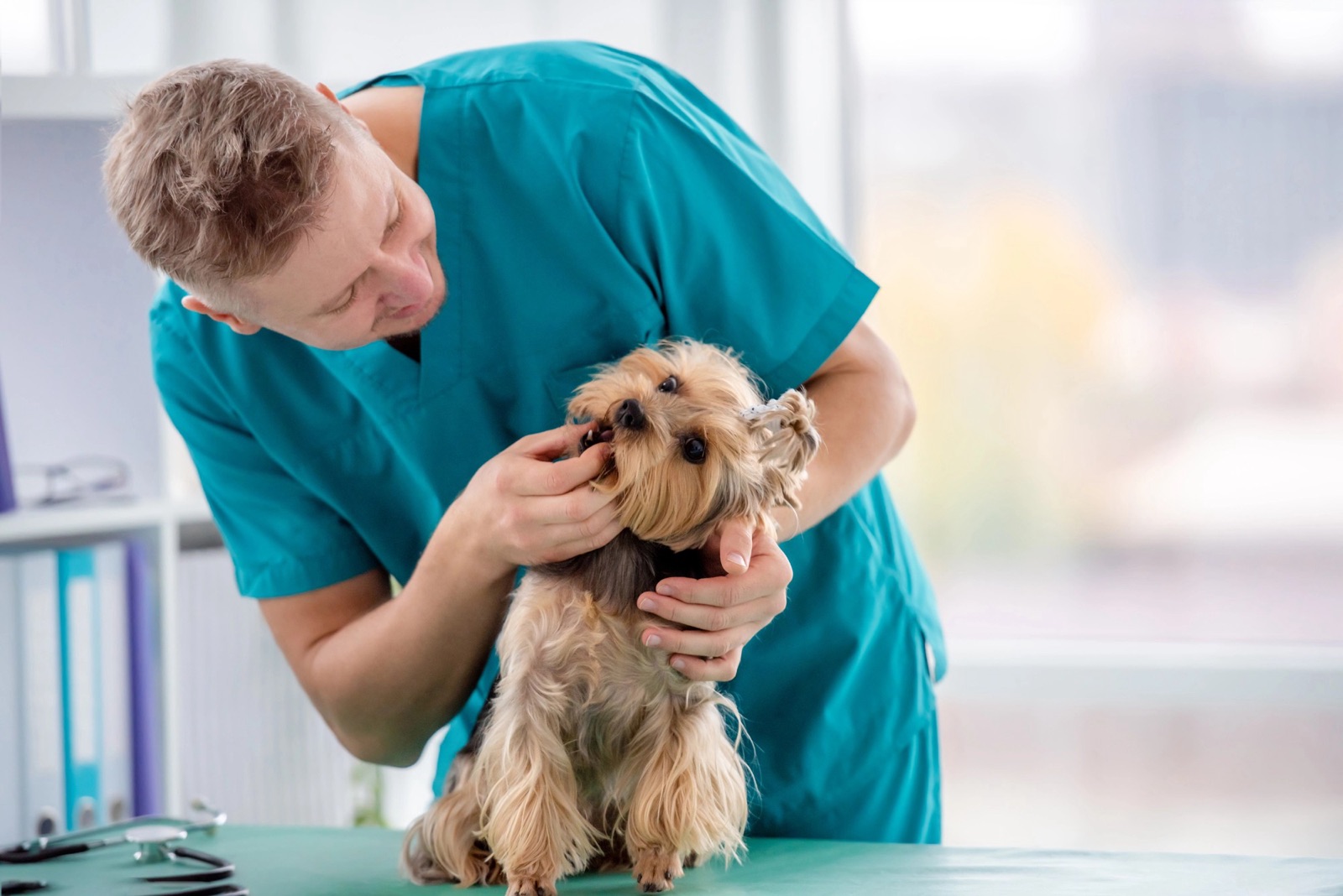
If your puppy appears to have two teeth growing in the same spot, book in with us so we can take a closer look. Retained baby teeth often need to be removed to prevent future dental problems.
Is Your Dog on the List?
Just because your dog is on this list doesn't mean they'll develop dental disease. And if they're not? That doesn't mean they're in the clear!
The good news? Regular dental care can make a big difference.
Worried about your dog's teeth? Luna offers free dental health checks in Bristol, Reading and Eastleigh, with Surbiton opening soon.