Why Does My Cat Have Bad Breath?
By Dr Joe Inglis BVSc MRCVS ·
The most common reason for bad breath in cats is dental disease, including gum disease, tooth resorption and stomatitis. Periodontal disease is the most frequently diagnosed health problem in UK cats, and because cats hide pain so well, bad breath is often the only sign owners notice. Less often, bad breath points to a health problem elsewhere, such as kidney disease. This guide explains the common causes, what to look for, and when your cat should see a vet.
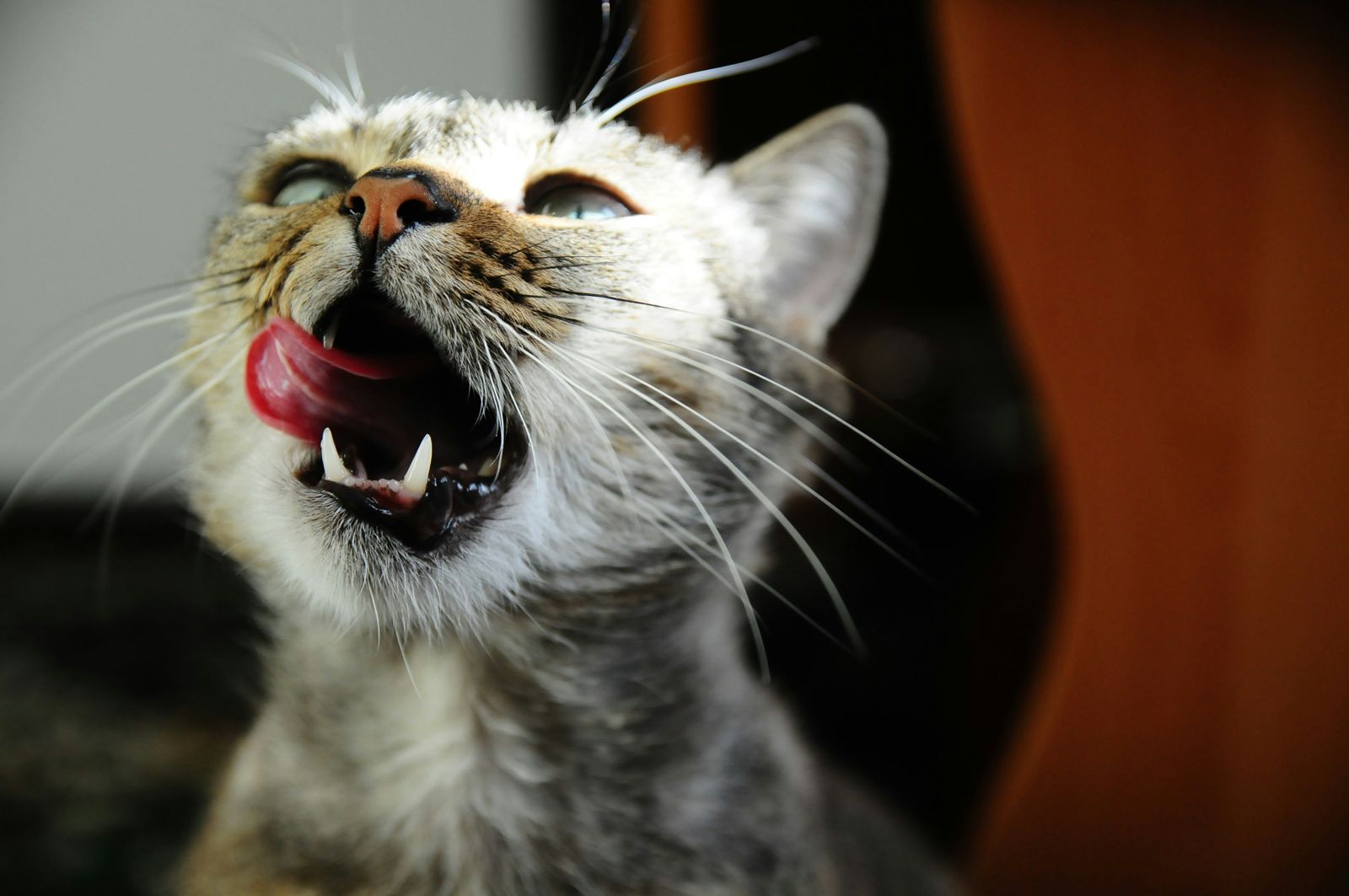
Is bad breath normal in cats?
No. A healthy cat's breath should have very little smell. It may briefly smell of their food, particularly fish-based food, but it shouldn't have a strong or persistent unpleasant odour.
The medical term for bad breath is halitosis. In cats, it is usually caused by bacteria in the mouth producing smelly sulphur compounds. These bacteria thrive where there is plaque, tartar, inflamed gums or damaged teeth, so lasting bad breath is a sign that something needs checking.
Kittens may have slightly different-smelling breath while their baby teeth are being replaced, usually between about 3 and 6 months of age. This should settle once their adult teeth are through.
What causes bad breath in cats?
Periodontal disease
Periodontal disease is the most common cause of bad breath in cats. Plaque bacteria build up on the teeth, harden into tartar and spread below the gumline, inflaming the gums and destroying the tissues that hold the teeth in place. It was recorded in 15.2% of UK cats seen by vets in a single year, making it the most commonly diagnosed disorder in cats (VN Online, reporting the RVC study).
Tooth resorption
Tooth resorption is a painful condition, very common in cats, where the body breaks down the structure of a tooth. Affected teeth often have inflamed gum growing into them, which traps bacteria and can contribute to bad breath. Many resorptive lesions sit below the gumline and can only be found on dental X-rays. Read more about dental disease in cats
Stomatitis
Feline stomatitis is a severe inflammation of the gums and lining of the mouth. Cats with stomatitis often have very bad breath, along with drooling, red and sore-looking tissue at the back of the mouth, and difficulty eating. It is extremely painful and needs veterinary treatment. Read more about dental disease in cats
Broken teeth and abscesses
Cats commonly break their canine (fang) teeth, often after a fall or a knock. A broken tooth can expose the inner pulp, allowing infection to reach the root and form an abscess, which can smell and cause swelling.
Something stuck in the mouth
Grass, bones and other items can become lodged in the mouth or gums. Cats can also get thread or string caught around the base of the tongue. If you see string in your cat's mouth, don't pull it, as it may be attached to string further down the gut. Contact a vet straight away.
Oral tumours
Mouth tumours are less common, but in cats they can be aggressive. The most common type, squamous cell carcinoma, often first appears as a swelling, ulcer or loose teeth in one area, along with bad breath, drooling or bleeding. Any lump or non-healing sore in the mouth should be checked promptly.
Diet
Some foods, particularly fish-based diets, can make a cat's breath smell more strongly for a short time after eating. Diet on its own rarely causes persistent bad breath.
Other health conditions
Bad breath can occasionally be a sign of illness elsewhere in the body:
- Kidney disease, which is common in older cats, can give breath an ammonia or urine-like smell, often with increased thirst, weight loss, poor appetite or vomiting.
- Diabetes can cause sweet or fruity-smelling breath. With weakness, vomiting or not eating, this can indicate a serious complication that needs urgent care.
- Liver disease can cause unusually foul breath, often with vomiting, poor appetite or yellowing of the gums, eyes or skin.
- Cat flu and nasal infections can cause a smell along with sneezing, nasal discharge or mouth ulcers.
Other signs to check for
Cats are experts at hiding pain, so look carefully. If your cat will let you, gently lift their lip and check their teeth and gums. Signs that suggest a dental cause include:
- A red line along the gums, or gums that look swollen or bleed
- Red, sore-looking tissue at the back of the mouth, which may indicate stomatitis
- Yellow or brown tartar on the teeth
- Broken, loose or missing teeth
- Red gum growing into a tooth, a common sign of tooth resorption
- Drooling, or saliva stained with blood
- Dropping food, chewing on one side, or swallowing biscuits whole
- Pawing at the mouth or jaw chattering
- Grooming less, leading to a scruffy or greasy coat
- Hiding, irritability or not wanting their face touched
Signs that suggest a wider health problem include drinking or urinating more, weight loss, vomiting, a reduced appetite or lethargy. If you notice these alongside bad breath, contact your vet promptly.
How is the cause of bad breath diagnosed?
Finding the cause usually follows three or four steps:
- Dental photo assessment. If you are able to take clear photos of your cat’s teeth, the Luna AI photo check can provide useful feedback on any obvious signs of dental issues that could be contributing to your cat’s bad breath.
- Vet health check. Your vet will ask when the smell started and about your cat's eating, drinking, weight and behaviour, then examine them from nose to tail.
- Conscious mouth examination. Many cats will allow a brief look at their teeth and gums. This can show tartar, gingivitis, stomatitis, broken teeth, obvious resorptive lesions and growths.
- Further tests, if needed. If the mouth doesn't explain the smell, or your cat has other symptoms, your vet may recommend blood and urine tests to check for kidney disease, diabetes or liver disease. Blood tests are also often recommended for older cats before an anaesthetic.
When dental disease is suspected, a full assessment needs a general anaesthetic. This allows the vet to examine and probe every tooth and take full-mouth dental X-rays, which are essential for finding tooth resorption and disease below the gumline.
How is bad breath in cats treated?
Treatment depends on the cause, and the aim is always to fix the underlying problem rather than mask the smell.
For dental disease, treatment is a dental procedure under general anaesthetic, which usually includes:
- Full examination, probing and dental X-rays of every tooth
- Scaling above and below the gumline to remove plaque and tartar
- Polishing to smooth the tooth surfaces
- Extraction of diseased teeth, such as those with tooth resorption, advanced gum disease or fractures
- Pain relief, including nerve blocks during the procedure and medication at home
For cats with stomatitis, treatment usually involves extracting most or all of the teeth, sometimes with medication to control inflammation. Most cats improve significantly afterwards.
Cats cope remarkably well after extractions. Many owners notice their cat eating better, grooming more and becoming more affectionate once painful teeth have been treated.
For other causes, treatment may involve removing a foreign object, treating cat flu, investigating a growth, or managing a condition such as kidney disease or diabetes.
Do breath fresheners, treats and water additives work?
Products that only mask the smell don't treat the cause. In cats, this matters even more than in dogs, because bad breath may be the only clue to a painful problem such as tooth resorption or stomatitis.
Products that reduce plaque can help keep breath fresher as part of a wider routine. These include:
- Dental diets with a kibble designed to clean the teeth as your cat chews
- Dental treats made specifically for cats
- Water additives, gels and supplements such as Luna Plaque Protect that help reduce plaque bacteria
Look for products made for cats with evidence behind them and never use human toothpaste, mouthwash or breath products, and avoid products containing essential oils, as some are toxic to cats.
No treat, additive or supplement can remove existing tartar, treat tooth resorption or resolve stomatitis. If your cat already has bad breath, a vet check should come first. Once any disease has been treated, these products can help keep the mouth healthier.
How can I prevent bad breath in my cat?
Keeping your cat's mouth healthy is the best way to prevent bad breath:
- Brush your cat's teeth, if they will accept it. Daily brushing with a soft finger brush and cat toothpaste is the most effective way to control plaque. Introduce it slowly with plenty of rewards; starting with kittens works best.
- Consider a dental diet or other vet-approved products, especially if brushing isn't possible.
- Book regular dental checks, every 6 to 12 months, and more often for older cats.
- Keep up with vaccinations, which help protect against cat flu viruses that can affect the mouth.
- Act on changes early. If your cat's breath gets worse, or they start eating differently, don't wait for their next routine check.
Some conditions, such as tooth resorption and stomatitis, can't currently be prevented. Regular checks mean they are found and treated sooner, before they cause long-term pain.
When should I see a vet about my cat's bad breath?
Contact a vet urgently if your cat's bad breath comes with:
- Not eating for more than 24 hours
- A sweet or fruity smell plus weakness, vomiting or not eating
- Vomiting, lethargy or yellowing of the gums, eyes or skin
- String or thread visible in the mouth
- Facial swelling, heavy drooling or bleeding from the mouth
Book a dental check if:
- Your cat's breath has smelled bad for more than a week or two
- You can see red gums, tartar, or broken or damaged teeth
- Your cat is eating differently, dropping food or grooming less
- Your cat is older and hasn't had a dental check in the last year
As cats hide pain so well, bad breath is often the first sign that something is wrong. It's always worth getting it checked.
How Luna can help
Luna the Dental Vets is a UK veterinary practice group dedicated entirely to dentistry for cats and dogs. Because dental care is all we do, our team is highly experienced in finding and treating the causes of bad breath in cats, including conditions such as tooth resorption and stomatitis that are easily missed.
When your cat visits Luna, you can expect:
- A dental health check to look for the cause of the smell and explain what we find
- Full-mouth dental X-rays as standard with every dental procedure
- Detailed charting of every tooth, so you know exactly what was found and treated
- Careful anaesthesia and monitoring, with pain relief tailored to your cat
- Clear aftercare and home-care advice to support your cat's recovery
- Bespoke care packages through the Luna Dental Health Club
We have clinics in Bristol, Reading and Eastleigh, with Surbiton opening soon, and we welcome both direct bookings from owners and referrals from your regular vet.